
Restoration Business Sales and Acquisitions
Restoration companies sell on a multiple of adjusted EBITDA, and buyers pay more for the work that comes in every year than for one big storm season. A public consolidator and private equity backed platforms are buying local water, fire and mold companies. GrowPCG is an M&A advisory firm that runs confidential sales for founder-led restoration owners and finds off-market acquisitions for buyers.

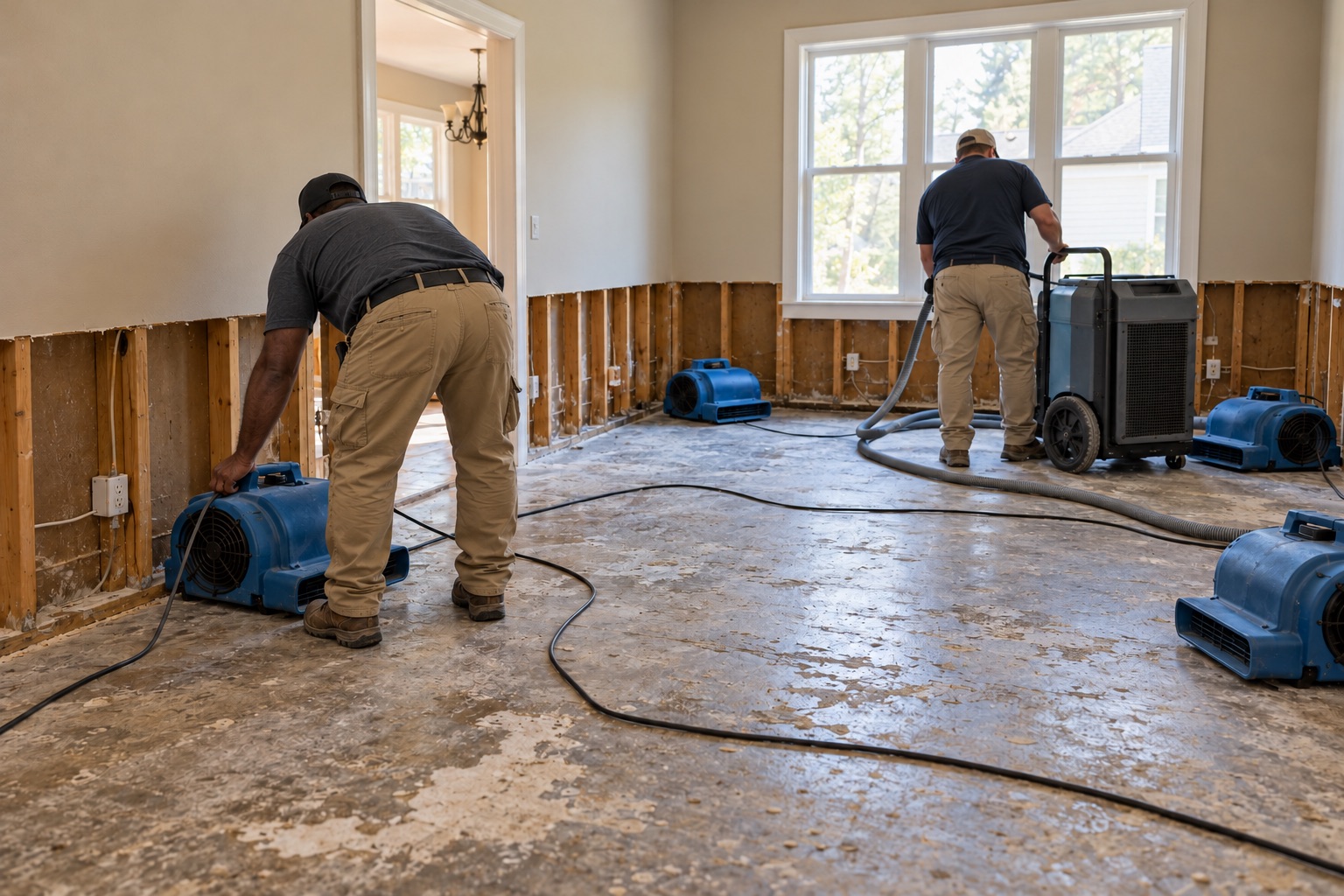
Restoration M&A in three numbers
Each figure is labeled by type because the types measure different things. Full sources are at the end of the page.
Selling in the next few years?
Book a confidential call →Why do buyers want restoration companies?
Restoration is recession proof work. Burst pipes, fires and storms do not follow the economy, and when they hit, the repair cannot wait for a better year. Disasters and accidents are unavoidable, and insurance claims pay for much of the work. Water damage and freezing claims on U.S. homeowners policies averaged $17,240 each from 2020 through 2024, according to the Insurance Information Institute, whose figures leave out renters, condo owners, Alaska, Texas and Puerto Rico. The U.S. Fire Administration estimates 344,600 residential building fires in 2023.
Restoration also fits with other trades, in both directions. A buyer can start with a restoration company and build more services out from it, such as rebuild or mold work. A company in a neighboring trade, such as plumbing or commercial cleaning, can add restoration to what it already offers its customers. That makes a restoration company useful two ways, as a building block or as an add-on, and it widens the pool of buyers.
Private equity firms have been building platforms in restoration. A platform is a company a fund buys first and then grows by adding local companies to it, because buying crews and referral sources that already work is faster than building them.
What does a buyer look at first?
Revenue by service line
Water mitigation, fire and smoke, mold, contents and rebuild carry different margins, cash cycles and subcontractor needs, so buyers split them out. The largest buyers run both sides of the work, mitigation and rebuild.
Storm years against a normal year
Weather moves the top line, so buyers rebuild your base year without it. A big storm or a hard freeze can lift one year well above your usual run, and the next year gives it back. A buyer prices the normal year, so show yours.
Referral sources and programs
Whoever controls the referrals controls the volume. Third-party administrators and carrier programs route insurance work to approved contractors, and they can change the terms on short notice. Buyers count how much revenue arrives through each program, carrier, agent, plumber and property manager.
Money the carriers owe you
Receivables from carriers feed the working capital a buyer expects you to leave in the business, and their age shows how well you collect. Carriers question line items, labor and equipment time, and that slows payment. Buyers want receivables by payer and age, with open disputes listed.
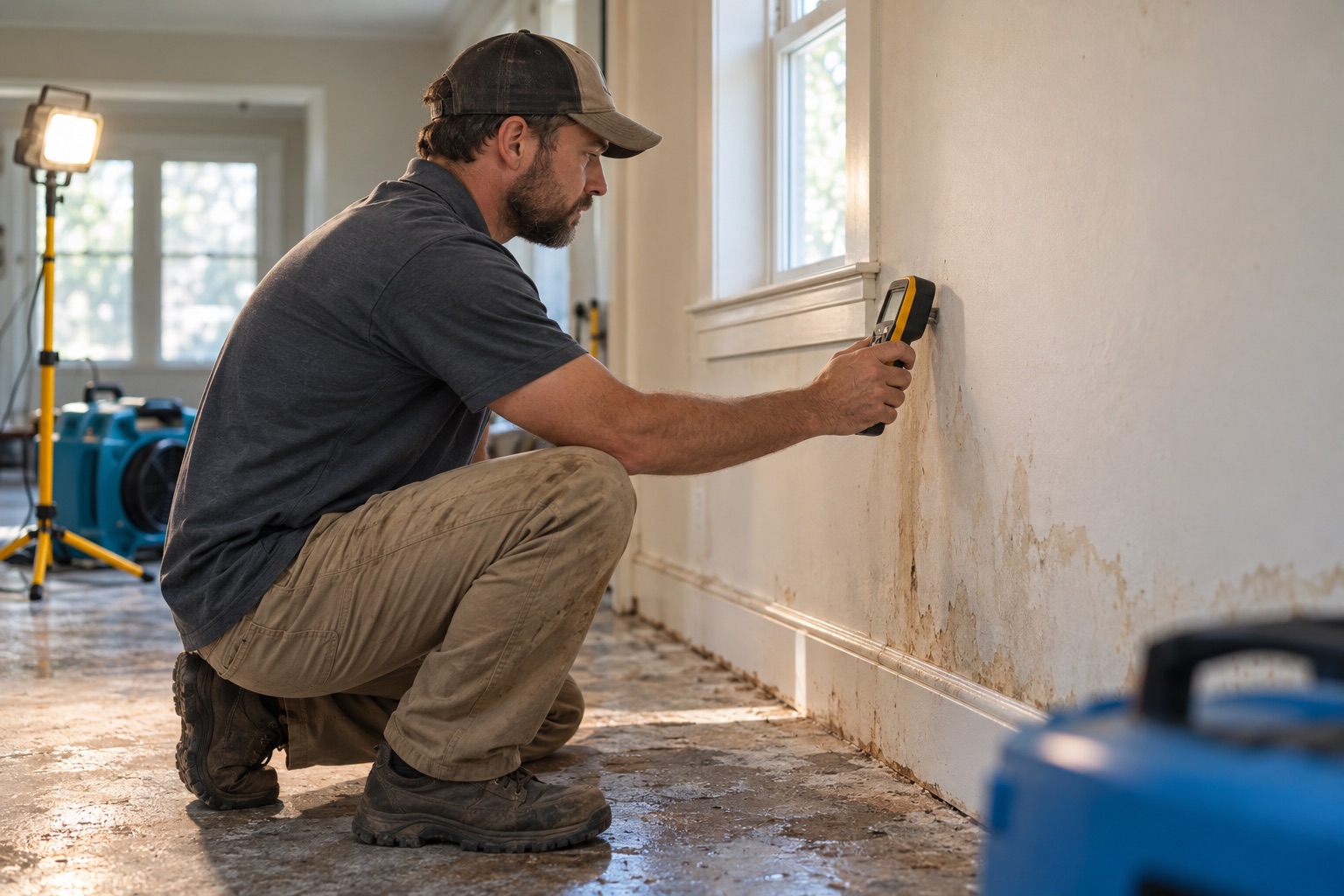
Certifications that belong to people
"An IICRC Certified Firm is a business that employs one or more IICRC Certified Technicians," so firm status depends on certified people staying. Insurer repair programs can ask for Certified Firm documents, so buyers check who holds each certification and whether they plan to stay after the sale.
Mold work on both sides of the line
Some states keep mold assessment and mold remediation apart. Florida bars a mold assessor from remediating a structure its company assessed within the last 12 months, and New York's mold program prohibits the same individual from doing both on one property. Buyers check that your job files respect those lines.
How much can I sell my restoration business for?
How buyers value a restoration business comes down to how much of its work would keep coming without you, and without a storm. They price it on a multiple of adjusted EBITDA: earnings before interest, taxes, depreciation and amortization, with one-time and owner-specific costs added back. The multiple rises when managers and estimators hold the adjuster and referral relationships, so the company does not run through you. It rises, too, with work a buyer can count on: steady mitigation calls from several referral sources and programs. The ranges below are our view, based on a data collection that includes Stanford, Pepperdine, publicly disclosed deals and the Axial platform.
- Under $500,000 of EBITDA. Most sell for 2x to 4x. Restoration companies this size are often owner-run. You write the estimates, take the adjusters' calls and are the person plumbers and property managers phone when water is on the floor. You may also be the certified technician your IICRC firm status rests on. A buyer has to price in replacing you in each role.
- $500,000 to $1 million. Most sell for 3x to 4.5x, and the best reach 5x. A crew lead runs the jobs and someone in the office handles the paperwork with the carriers, but you still write the large estimates and keep the referral relationships. Steady mitigation work from several referral sources moves the offer toward the top of the range.
- $1 million to $2 million. Most sell for 4x to 6x. An operations manager runs the crews and the after-hours schedule, and estimators other than you price the jobs in Xactimate. Technicians on the payroll hold the IICRC certificates, and the plumbers and property managers who send you work know your team by name. A buyer can step in without losing the referral flow.
- Over $2 million. Most sell for 4x to 6x, and larger companies with steady, recurring referral and program work can draw a premium above 6x. Work arrives through several referral channels and more than one program, with none dominant. The company runs mitigation and rebuild under one roof and holds commercial and large-loss accounts. A platform could make it a regional base. A company whose year depends on one storm season tends to sell toward the low end.
A buyer reads risk off the EBITDA line. Bigger restoration companies usually have less owner dependence, more referral sources, larger teams and better job systems, so the earnings are easier to trust.
In restoration, the deepest pool of buyers is the private equity backed platforms, and larger restoration contractors buy as well. The price depends on fit. A platform without a branch in your area gains a team and its referral sources there, and one with national accounts gains local crews to handle them. A double-digit multiple usually means a very large company with branches in many states and national accounts.
Not sure where your company lands?
Book a confidential callHow do buyers treat a big storm year in my numbers?
They look past it. A buyer separates catastrophe jobs, lines up several years side by side and prices the base, so a storm year helps your price only to the extent the work it brought in keeps coming. Bring three to five years of revenue by service line and by event, with the large losses marked.
Will my insurance programs stay with the company after I sell?
Not automatically. In a published copy of Contractor Connection's program requirements, participation in any client program "is determined by collaboration between Crawford Contractor Connection and the client based on needs." Applications are needed for each facility even under the same ownership, and a new applicant needs at least one year in business under current ownership. The document does not say what happens to an existing member when ownership changes, so ask each program how it handles a sale before you sign a letter of intent, and expect a buyer to ask too.
Can my state's rules affect the sale of my restoration company?
They can. Insurance and licensing rules differ by state, and some reach into your receivables. Florida is one example. Under its law, an attempt to assign post-loss benefits under a residential or commercial property policy issued on or after January 1, 2023 is "void, invalid, and unenforceable." Files under older policies may still rest on assignments, some of them in dispute, while newer files are collected without one. A buyer will want your Florida receivables and any lawsuits split by policy date. Your attorney can tell you how your state's rules apply to your files. If you want to see those files the way a buyer will, get in touch and we can help you prepare.
Who is buying restoration companies?
Private equity
Private equity firms build restoration platforms by partnering with local companies and adding more. A grown platform gives the next fund a base to build on.
Strategic buyers
Public companies and large restoration firms buy local companies to add markets and service lines. They look at your referral sources and insurance programs first.
Search funds and family offices
A search fund pairs backers with one operator who buys and runs a single company. A family office buys with a family's own capital and keeps it. Both look past storm years.
Restoration contractors adding services
Contractors buy specialists to bring more of the work under one roof: a mitigation company adds rebuild, or a restoration firm adds mold, asbestos and lead work.
What are some recent restoration deals?
The best-known names changed hands in 2019, when Blackstone agreed to buy a majority stake in SERVPRO and American Securities agreed to buy BELFOR. Since then:
- Guardian Restoration Partners, backed by Alpine, launched in April 2024 with three local companies and added Quick Dry Restoration and Spartan Emergency Water Removal that August.
- Soundcore Capital Partners sold American Restoration to Morgan Stanley Capital Partners in July 2024, after eight acquisitions that took it to 20 locations in 10 states.
- BMS CAT bought Integrity Environmental Group, a Southeastern remediation company, in September 2026.
Two ways to sell with GrowPCG
GrowPCG runs both sell-side and buy-side engagements. We represent owners who want to sell, and we represent buyers looking for companies to acquire.
We run your sale
This is how a sell-side process runs, from the first call through closing.
- A confidential first callNo paperwork and no obligation. We ask what you want from a sale and when.
- A readiness look and data reviewWe go through your numbers and operations the way a buyer will, and show you where the soft spots are.
- Getting ready to sellOur team guides the preparation before buyers see anything. Your CPA prepares the financials, and we tell them what buyers will need.
- Going to marketOnce we represent you, we build the materials and take them to our network of buyers. Buyers first see a profile that does not name you, and your name comes out only under an NDA.
- Running the processWe vet buyers as they come in, so your time goes to the ones that best fit your goals.
- Negotiating the dealWe help you compare offers and negotiate terms, alongside your attorney and CPA.
- Diligence and closingWe manage the buyer's requests and the calendar through closing, so the business keeps running.
Most sales in the lower middle market take 6 to 12 months from going to market to closing. Our exit readiness guide covers the preparation in detail.
A private introduction
We also represent buyers looking for companies like yours. If one of them fits what you want, we can set up a private, one-to-one conversation, with no listing and no marketing. That buyer retains us and pays our fee, so there is no cost to you. Your name goes to the buyer only under an NDA.
Buying a restoration company?
Building a restoration platform, or adding mitigation, rebuild or environmental work in a new market? We find owners of water, fire and mold restoration companies who are not marketing their businesses and would weigh a sale. Tell us the service lines, markets, size and structure you want, and the program standing you need. We reach the owner, test interest and send an anonymous profile, and the name follows your signed NDA. Registered buyers also receive teasers from our sell-side engagements.
Questions restoration owners ask us
How much can I sell my restoration business for?
Take your adjusted EBITDA for a year without a big storm, and the multiple on it depends on how much of that work would stay if you stepped back. Estimators who hold the adjuster relationships push it up, and so does referral work spread across many sources. One program sending most of the work pulls it down.
Is my mitigation revenue worth more than my reconstruction revenue?
Not by default. A buyer asks how far it can count on each line. In mitigation, that means the work arriving through programs and referral sources that will stay after the sale. In reconstruction, it means how many of your own mitigation jobs become rebuilds, and how long the rebuild takes to bill and collect. Both lines get questions on margin after subcontractors, so show each by source and by days to collect.
How do buyers handle money insurance companies still owe me?
Through working capital. Receivables at closing are usually part of what a buyer expects you to deliver, so old or disputed balances become a negotiation. List every receivable by carrier and age, mark the disputes, and collect what you can before you go to market. We can go through that list with you before a buyer sees it.
Does IICRC certification change what my company is worth?
It changes what you can do. Insurance programs ask for Certified Firm documents, so a buyer cares who holds each certificate and whether they stay. Lapsed certifications and technicians on their way out can cost you.
How long does it take to sell a restoration company?
Once you are on the market, expect 6 to 12 months to closing. A sale right after a heavy storm season can take longer, because buyers want to see what a normal year looks like, so time your launch with that in mind.
How is GrowPCG paid?
When we run your sale, we are paid a success fee at closing. On a private introduction, the buyer pays our fee. Either way, we are paid only when a deal closes.
- IBISWorld, "Damage Restoration Services in the US", August 2026. Checked 2026-10-16.
- Insurance Information Institute, "Facts + Statistics: Homeowners and renters insurance", data for 2020 to 2024. Checked 2026-11-17.
- U.S. Fire Administration, "Residential Fire Estimate Summaries", February 2025. Checked 2026-10-16.
- Alpine, launch of Guardian Restoration Partners, April 2024. Checked 2026-10-16.
- Guardian Restoration Partners, release on Quick Dry Restoration and Spartan Emergency Water Removal, August 2024. Checked 2026-10-16.
- IICRC, "Certified Firm Verification", current page. Checked 2026-10-16.
- Crawford Contractor Connection, program requirements (copy published 2022, PDF), 2022. Checked 2026-10-16.
- Florida Statutes, section 468.8419, "Prohibitions; penalties", and section 627.7152, "Assignment agreements", 2026. Checked 2026-10-16.
- New York State Department of Labor, "Mold Program", current page. Checked 2026-10-16.
- Axial, "What Are Businesses Selling For? Valuation Multiples by Company Size, Sector & Buyer Type", September 2026. Checked 2026-11-14.
- SERVPRO, "SERVPRO Announces Recapitalization and Long-term Partnership with Blackstone," 2019 news releases, March 2019. Checked 2026-11-14.
- Restoration & Remediation, "Belfor Holdings Inc. Acquired by American Securities", April 2019. Checked 2026-11-14.
- Soundcore Capital Partners, "Soundcore Capital Partners Announces Sale of American Restoration", July 2024. Checked 2026-10-16.
- Restoration & Remediation, "BMS CAT Strengthens Florida Service Through the Acquisition of Integrity Environmental Group", September 2026. Checked 2026-10-16.
- IBISWorld, "Damage Restoration Services in the US: Market Size", 2026. Checked 2026-11-17.
- Stanford Graduate School of Business, article on its 2026 Search Fund Study, July 2026. Checked 2026-11-19.
- Pepperdine Graziadio Business School, Private Capital Markets Reports, 2025 and 2026, 2026. Checked 2026-11-19.
Advisor estimates are opinions published by those firms, not transaction data.
Thinking about selling?
Start with a call. Every conversation is confidential, and there is no obligation.
Looking to buy?
Join the buyer network to receive teasers from our listings and notice of new opportunities.
